Future Crew · Assembly 1993 · MS-DOS
Second Reality
Future Crew's Second Reality won the PC demo competition at Assembly 1993. It runs under MS-DOS on a 386 with 570 KB of free memory, and every effect lands on the music. In 1993.
I wrote a 3,184-byte intro for this site. This page is how intros that small are made, and why I care.
01 · My intro
One fragment shader and one synth, in 3,184 bytes. No textures, no models, no samples. If it is on screen, the code computed it.
demo.bin, a raw deflate stream that the page inflates and runsIt has sound. Press M to mute and Escape to exit, or enter the Konami code anywhere on the site. The crimson lights pulse on the kick, less than once a second. With reduced motion on, it shows one still frame. The toolbar belongs to the page and is not counted in the 3,184 bytes.
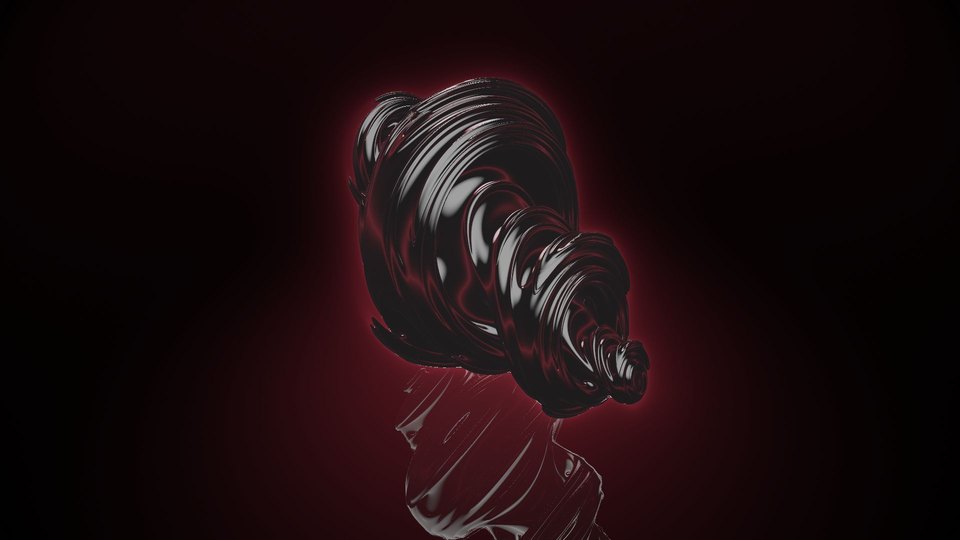
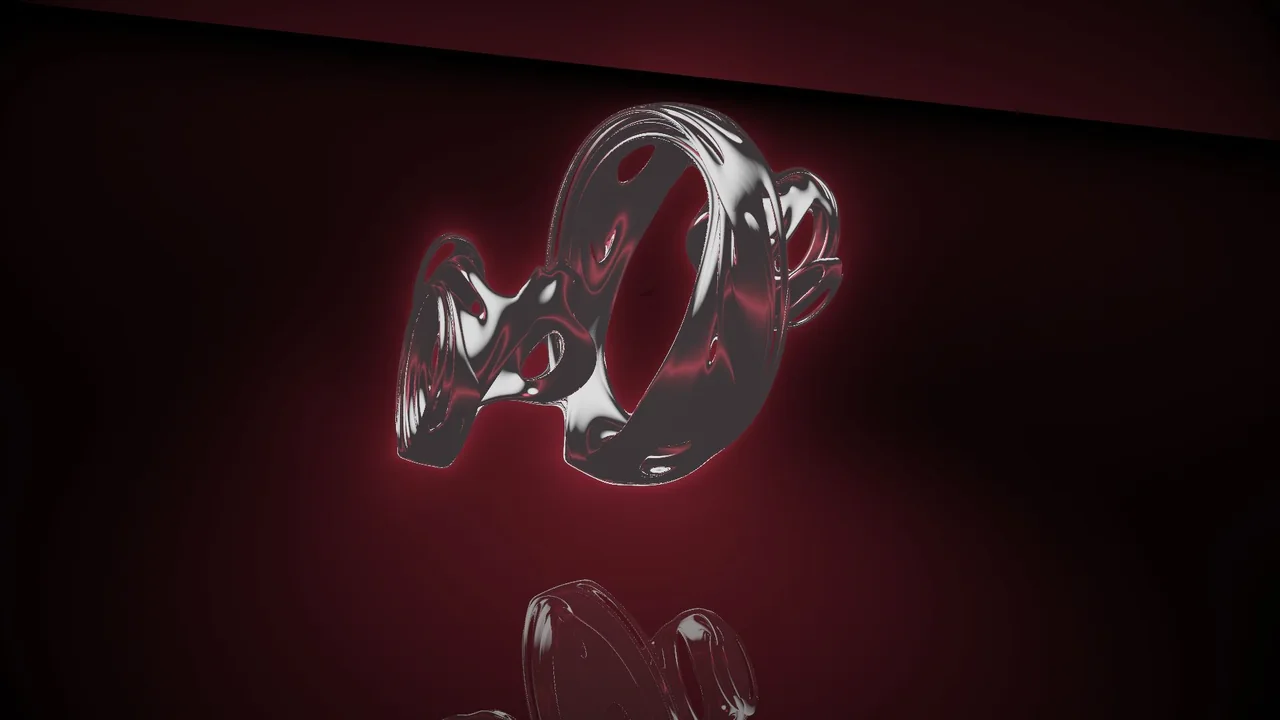
demoscene.sys, rendered from the same shader that ships in the file.02
The rule is simple and brutal: the whole program has to fit in a size limit. 64k means 65,536 bytes. 4k means 4,096 bytes, music included. Some people compete at 256.
At that size you cannot ship a picture or a sound. You ship the code that makes them. This page is heavier than the intro it hosts.
Log scale. The dashed line is the budget you picked. The page and the 4k intro are measured, the rest is arithmetic from round sizes.
03
Then you cheat, legally. The code is minified until nobody can read it, then compressed, and a tiny stub unpacks it at launch. Malware authors do exactly the same thing, for worse reasons.
…Counts are real: the browser counts the characters and runs the same kind of deflate stream demoscene.sys uses. Log scale, so the gap from 192,000 to 304 bytes looks smaller than it is.
04
The old effects need no image at all. A plasma is a few sine waves added per pixel and looked up in a palette. A starfield is (x, y) divided by z. Turn the sines off one by one and watch the plasma fall apart.
4 of 4 terms added
Each pixel adds the active waves and looks the result up in a palette. With one term left you get plain bands.
Recalculated each frame at low resolution. Starts still if reduced motion is on.
05 · 1993 to 2004
Two productions that still do not look possible.
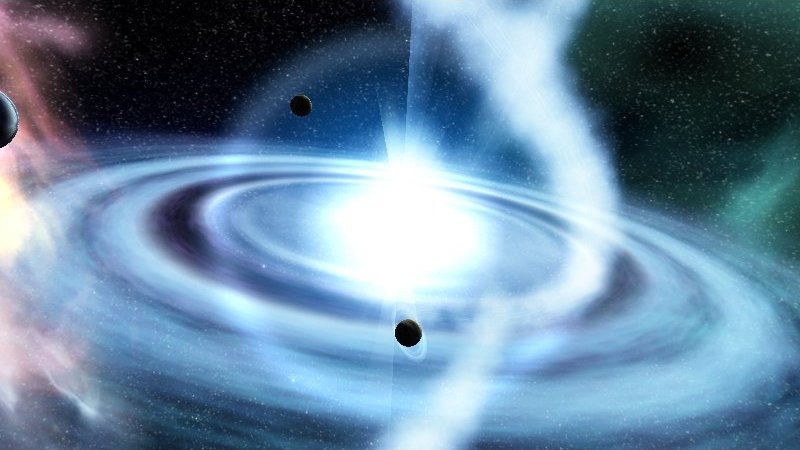
Future Crew · Assembly 1993 · MS-DOS
Future Crew's Second Reality won the PC demo competition at Assembly 1993. It runs under MS-DOS on a 386 with 570 KB of free memory, and every effect lands on the music. In 1993.
.theprodukkt · Breakpoint 2004 · 97,280 B
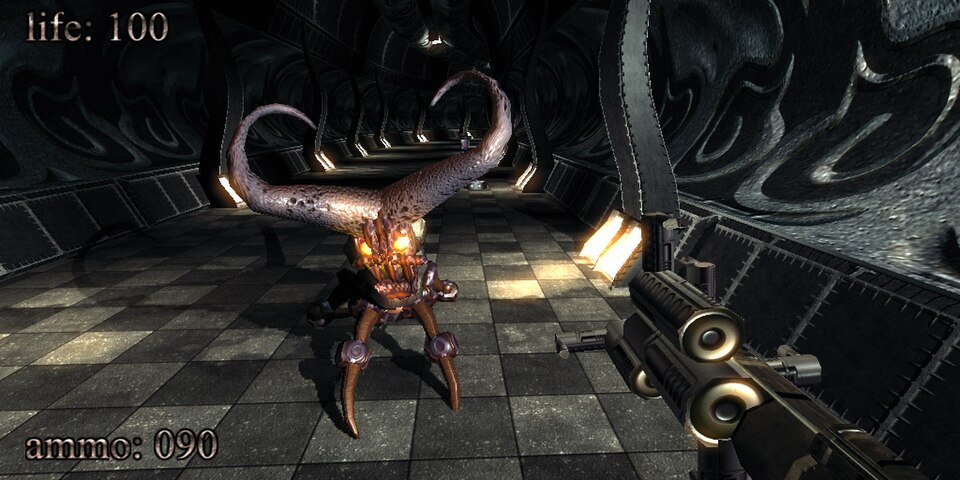
Eleven years later, Farbrausch's offshoot .theprodukkt won the Breakpoint 2004 96k game competition with .kkrieger, a full 3D shooter in one 97,280-byte file. It stores no textures and no meshes, only the recipe to build them, and unfolds into hundreds of megabytes in RAM at launch. It is a packer taken as far as it goes.
06
Sizecoding is my job run backwards. To save bytes you have to know exactly how the loader maps a file, how much precision a constant can lose, and what compresses well. When I unpack a sample in IDA or x64dbg, I am looking at the same tricks from the other side.
The one everybody points to is Elevated (RGBA and TBC, Breakpoint 2009): mountains, clouds, water and a full score in under 4,096 bytes. My intro is nowhere near that, and I am fine with it.
Future Crew released the source of Second Reality in 2013, for its 20th anniversary: Watcom C, Turbo Pascal and x86 assembly. Fabien Sanglard wrote a full code walkthrough. It is the best way I know to see how it was really made.
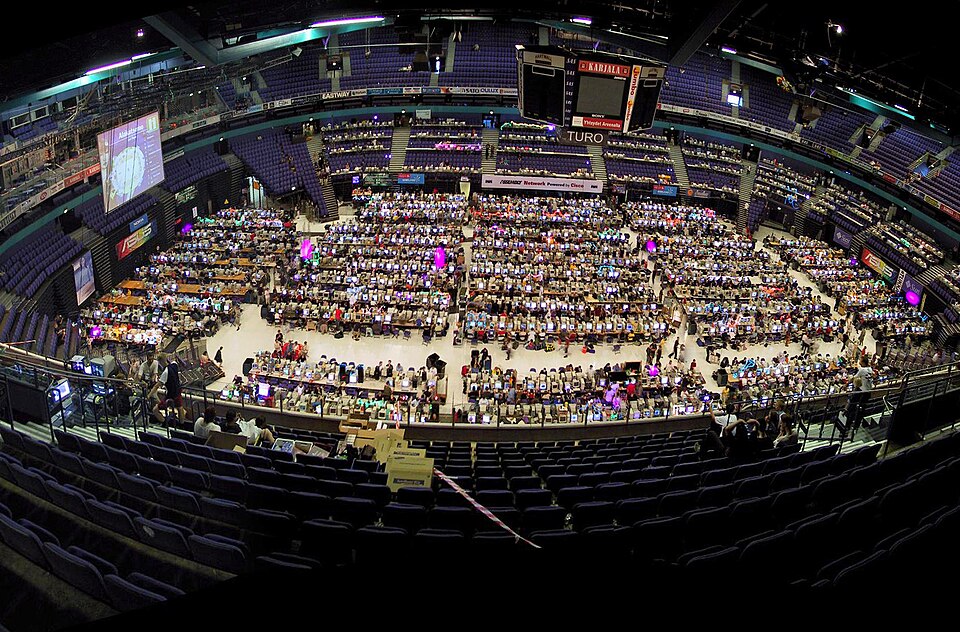
The scene is not a museum. It still meets every Easter at Revision. Between parties, Pouët keeps every production with its comment thread, and scene.org keeps the original files.
Keep looking
Try stealer, URSNIF, randomizer, PEB.
↑↓ move · Enter open · Esc close ·
Tap a result to open · Cancel to close
No match for that query. Try a broader term, or browse all articles.
 Games


